Does LED Therapy Work? 5 Colors for Better Skin Science
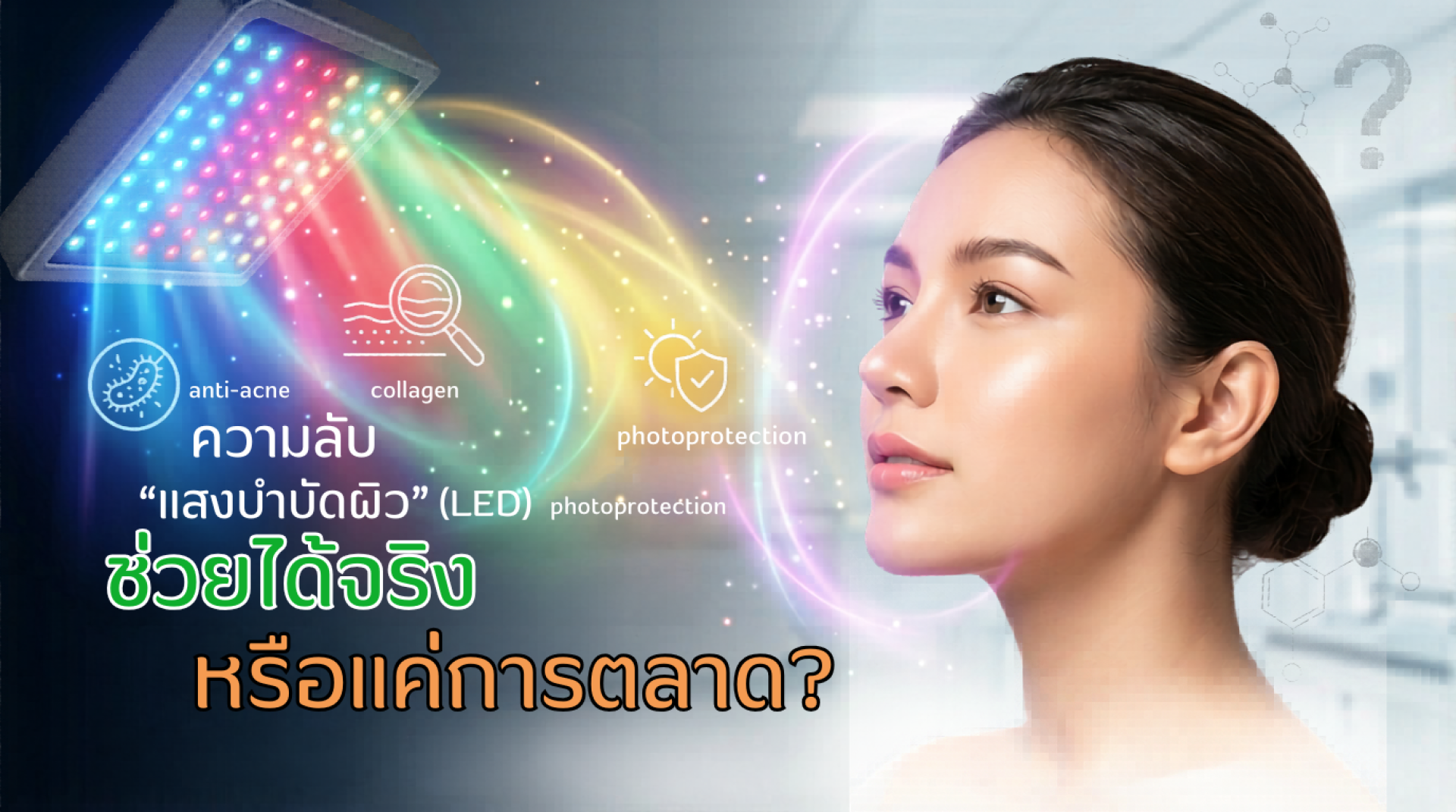
The Secret of LED Skin Therapy: Science-Backed Results or Just Marketing?
In an era where home-use beauty devices are skyrocketing, many wonder: "Does shining colored lights on my face actually change my skin?" Is it a breakthrough in dermatology, or just a clever marketing gimmick to sell expensive gadgets?
As an entrepreneur in the professional skincare industry, I believe in results driven by data. Today, let’s dive into the scientific evidence that proves how different light wavelengths interact with your skin at a cellular level.
The Mechanism: How Skin "Photosynthesizes"
Scientifically, this process is known as Photobiomodulation (PBM). Much like plants use sunlight to create food, our skin cells contain a light-sensitive receptor called Cytochrome C Oxidase within the mitochondria.
When exposed to precise wavelengths, these "cellular power plants" produce more ATP (Adenosine Triphosphate)—the energy currency of the cell. This extra energy allows cells to repair damage, boost collagen production, and reduce inflammation much faster than normal.
The 5 Colors: 5 Clinical Evidence Highlights
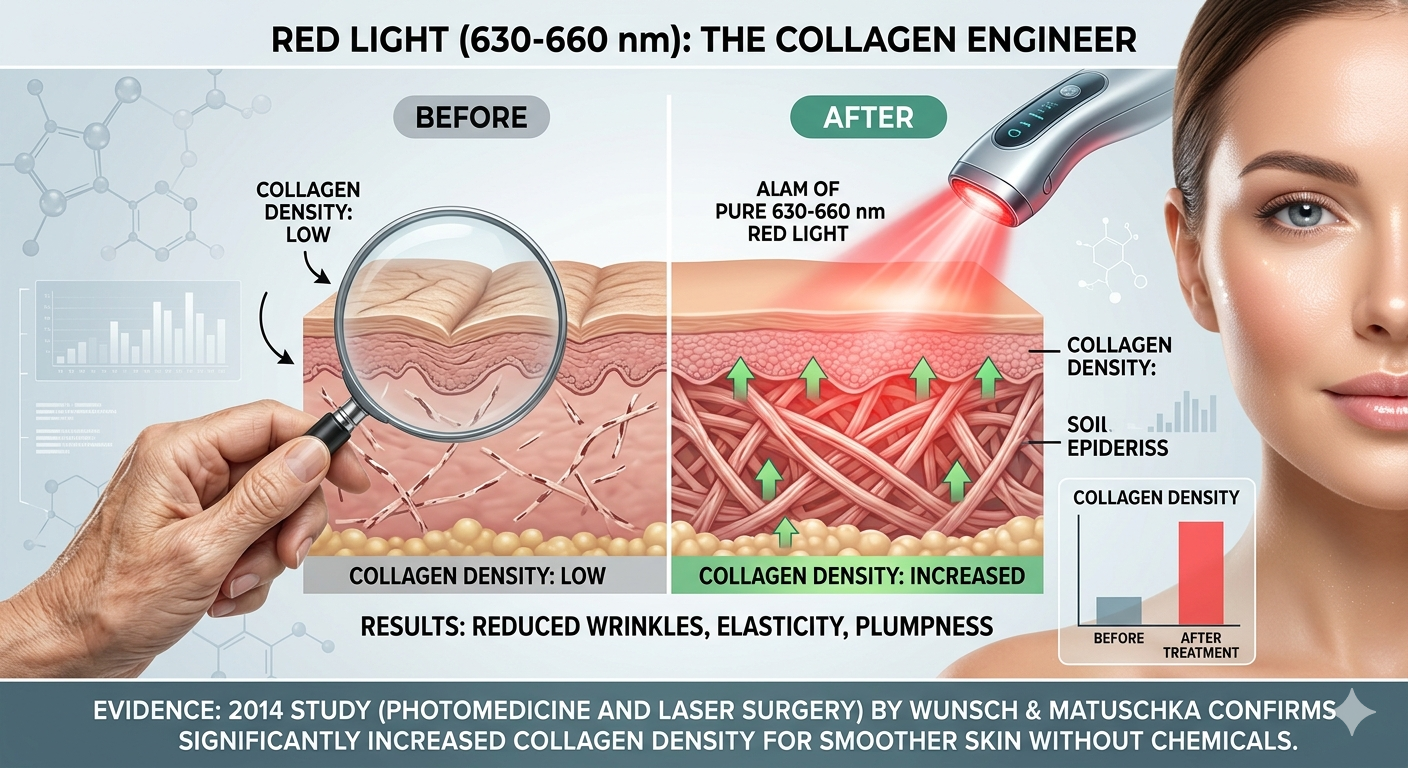
1. Red Light (630-660 nm) – The Collagen Architect
Best for: Anti-aging, fine lines, and skin elasticity.
The Evidence: A landmark study in Photomedicine and Laser Surgery (2014) by Wunsch and Matuschka proved that red light therapy significantly increases intradermal collagen density. It noticeably smooths wrinkles and improves skin texture without downtime.
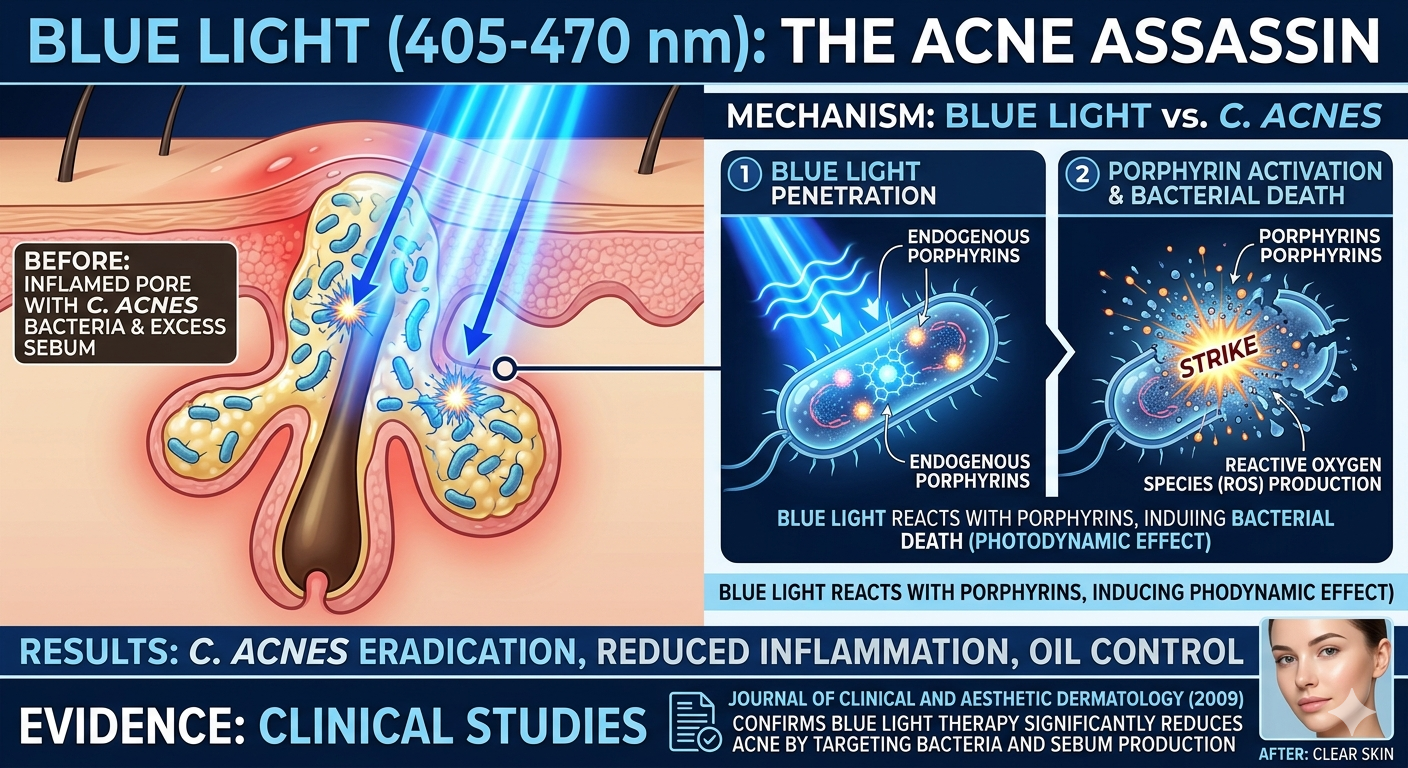
2. Blue Light (405-470 nm) – The Acne Assassin
Best for: Active acne, inflammation, and oil control.
The Evidence: Research in the Journal of Clinical and Aesthetic Dermatology (2009) shows that blue light targets Porphyrins produced by acne bacteria (C. acnes). This creates a photodynamic effect that kills the bacteria from within, stopping breakouts at the source.
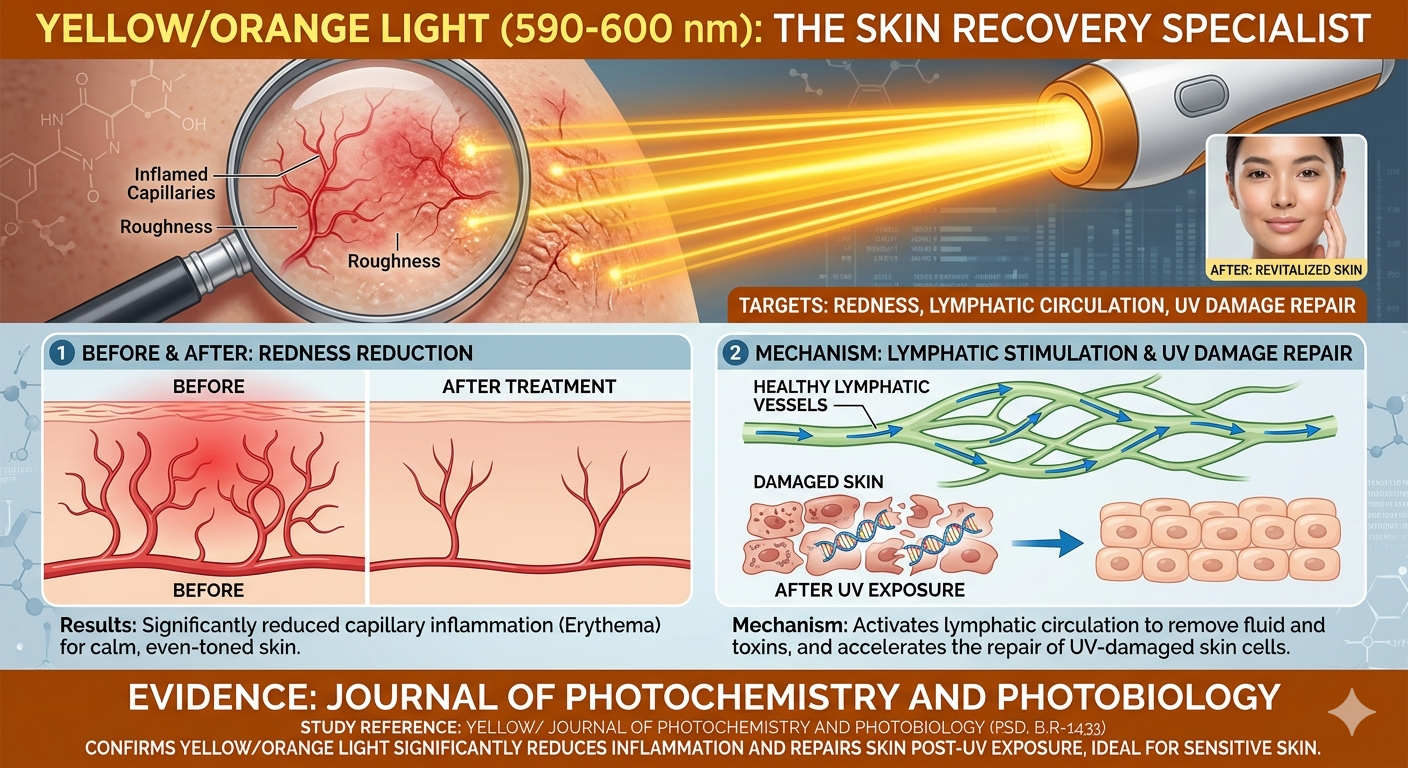
3. Yellow/Orange Light (590-600 nm) – The Recovery Specialist
Best for: Redness, lymphatic drainage, and sun damage.
The Evidence: Studies in the Journal of Photochemistry and Photobiology highlight its ability to reduce erythema (redness) and inflammation. It's the "soothing" light that helps repair the skin barrier after UV exposure or harsh treatments.
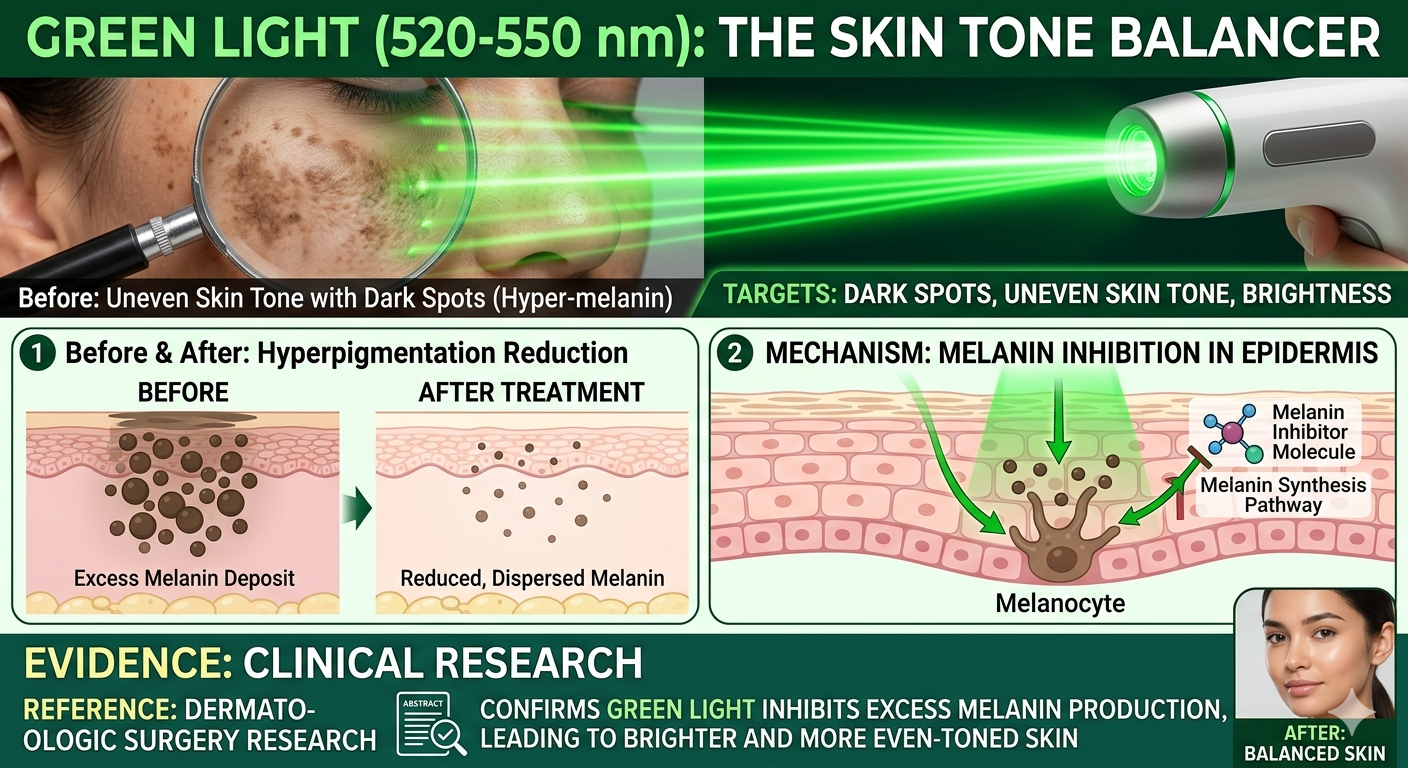
4. Green Light (520-550 nm) – The Brightening Expert
Best for: Dark spots, hyperpigmentation, and uneven skin tone.
The Evidence: Clinical trials in Dermatologic Surgery suggest that green light helps inhibit excess melanin production in the epidermis, leading to a more radiant and "even" complexion.
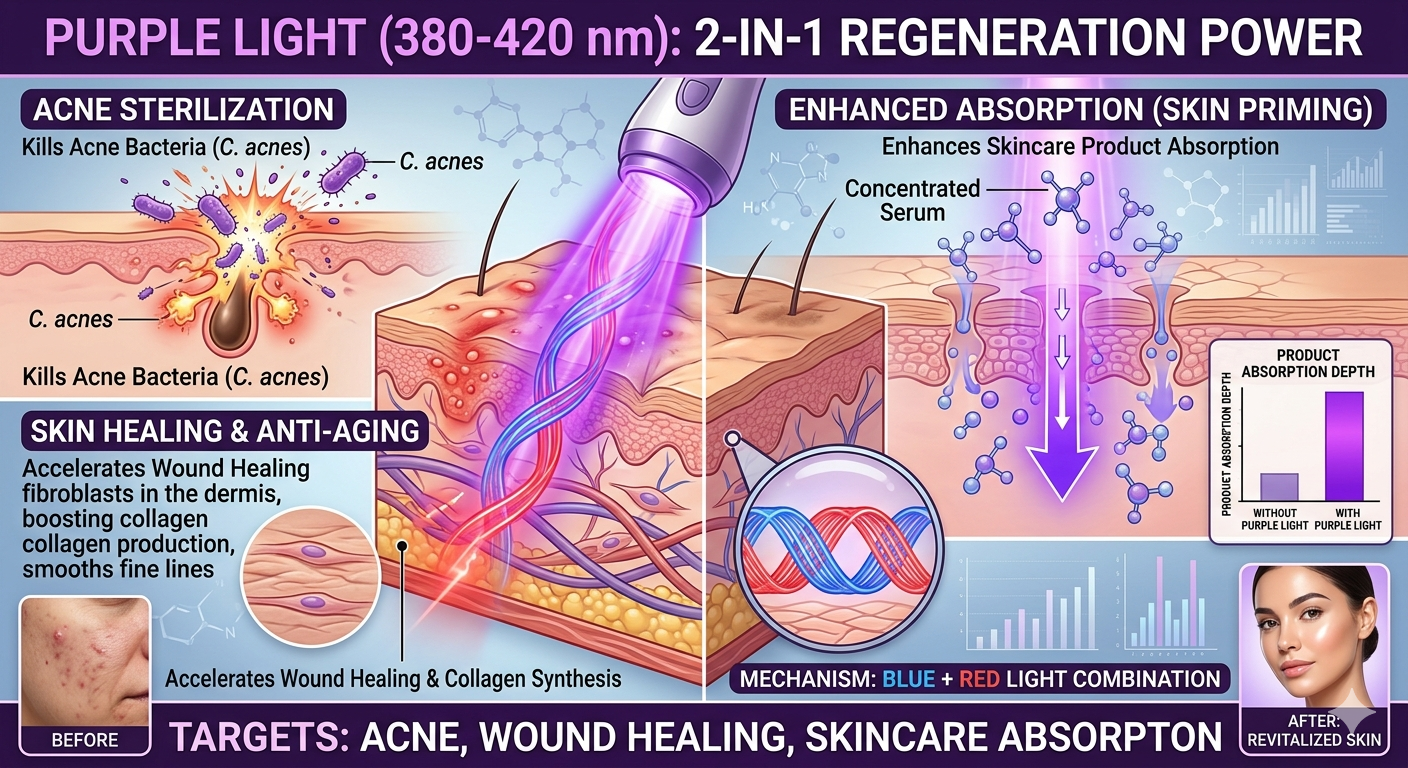
5. Purple Light (380-420 nm) – The Dual-Action Restorer
Best for: Acne healing, deep absorption, and dull skin.
The Mechanism: Combining the benefits of blue and red light, this high-energy wavelength acts as a "priming" tool. It opens up cellular pathways, allowing your high-potency serums and ampoules to penetrate deeper into the skin layers.
✅ The Verdict: Does it Really Work?
The answer is YES, but with three essential conditions:
Wavelength Precision: You must use devices with medical-grade LEDs (like those from reputable brands) to ensure the wavelengths match the clinical studies.
Consistency is Key: Scientific trials usually require 4-8 weeks of regular use (3-5 times per week) to see cumulative results.
The Perfect Synergy: LED therapy is a "booster." It works best when paired with professional-grade active ingredients—such as those formulated at All Lab Skin—to maximize the skin's transformation.
"Science doesn't lie. When we combine the right technology with the right skincare, healthy and glowing skin becomes a scientific certainty."